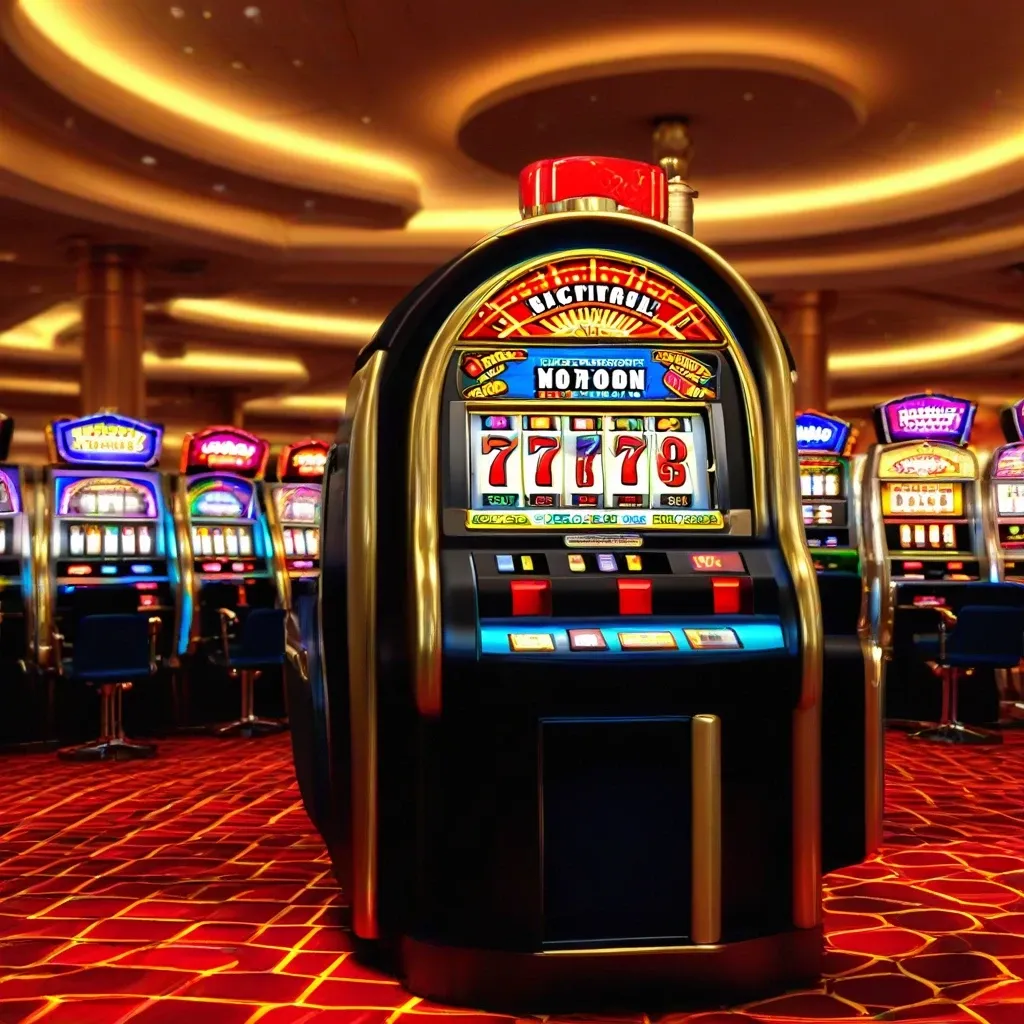
Imagine the flashing lights, the spinning reels, and then… the triumphant cascade of coins spilling out, even if it’s just a digital simulation. Slot machines, those digital sirens of chance, are engineered to be captivating. But beyond the visuals, there’s a hidden layer of persuasion at play: sound. Did you know that carefully crafted sounds in slot machines are not there just for fun, they are tools designed to keep you playing, and sometimes lead to addiction?
This article pulls back the curtain on the sonic manipulation used in slot machines. The goal is to expose how sound design influences player behavior, creating a sense of excitement, near-miss wins, and ultimately, encouraging continued play. Understanding these techniques is crucial for anyone who wants to enjoy gambling responsibly and protect themselves from its potential pitfalls. Prepare to be surprised by the element of deception that’s been ringing in your ears all along.
The Psychology of Sound and Emotion
Sound and emotion are inextricably linked, forming a powerful psychological partnership. This connection arises from the way our brains process auditory information, triggering emotional responses, memories, and associations. Sound psychology explores this intricate relationship, revealing how particular auditory stimuli can evoke specific emotions.
For instance, high-pitched tones often correlate with feelings of excitement and anticipation, while low-frequency sounds can trigger anxiety or unease. This is because the amygdala, the brain’s emotional center, processes sounds alongside associated memories. This Pavlovian conditioning forms strong connections between sounds and emotions over time.
The Basic Principles
Sound, at its core, is a vibration that travels through the air, perceived by our ears and interpreted by our brains. The qualities of soundscapes, like frequency and amplitude, influence our emotional response. Amplification, for example, artificially increases the intensity of sound, and can be used to create feelings of tension or excitement. These elements are carefully orchestrated in various environments to influence human behavior and emotional states.
Sound Effects in Slot Machines: A Symphony of Persuasion
Slot machine sound design is no accident. Every jingle, chime, and whir is meticulously crafted to trigger specific emotional responses, turning a simple game of chance into an immersive and persuasive experience. This strategic use of sound, known as sonic branding, plays a crucial role in reinforcing positive feelings and encouraging continued play. Understanding the emotional effects of winning sounds, spinning reel sounds, and even near-miss sounds is key to grasping the psychology behind slot machine appeal.
Winning Sounds and what Emotions they trigger
The sounds of winning are carefully constructed to trigger a dopamine release in the brain, creating a sense of pleasure and excitement. Think of bright, celebratory jingles, cascades of coins, and triumphant fanfares. These sounds act as positive reinforcement, associating the slot machine with feelings of reward and accomplishment, even for relatively small payouts. This makes the player more likely to continue playing, hoping for another hit of that positive feeling.
Spinning reel sounds and what Emotions they trigger
The sounds of spinning reels are more than just background noise. They’re designed to build anticipation and suspense. The rhythmic clicks, whirs, and escalating tempo simulate the excitement of a race, keeping players on the edge of their seats as they wait to see if they’ve won. The gradual slowing down of the reels creates a feeling of heightened tension, releasing into either the thrill of a win or the disappointment of a loss, which, surprisingly, can also be used to keep playing.
Losing sounds and what Emotions they trigger
Even losing sounds are strategically employed. While outright negative sounds would deter players, subtle cues like muted thuds, ambiguous chimes, or a quick, descending tone can create a sense of near-miss or close-call. These almost-wins trigger a surge of adrenaline and frustration, prompting players to try again, believing that the next spin will be the one that finally pays off. The goal is to keep players engaged, even in the face of losses, by playing on their desire to recoup their money and experience the high of a win.
The Illusion of Winning: How Sounds Mask Losses
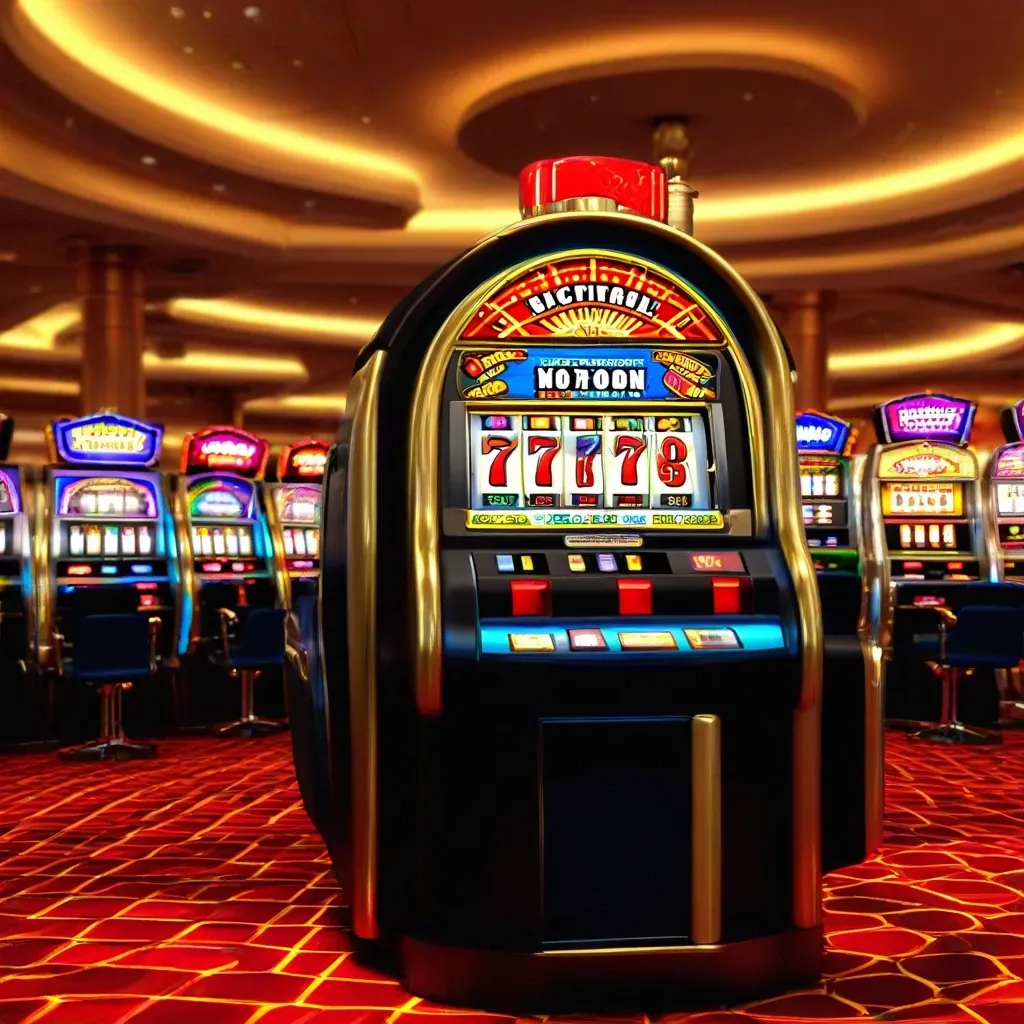
The world of gambling, particularly with slot machines, is carefully crafted to keep players engaged, even when they’re losing. One tactic involves “losses disguised as wins” (LDWs). These occur when a player wins less than their initial bet, but the game presents it with celebratory sounds and visuals, making it feel like a net positive.
Sound masking plays a crucial role in this cognitive distortion. Think of the “near-miss” sounds – the jingle that almost hits the jackpot. These sounds trigger a similar response in the brain as an actual win, creating a gambling bias. Multiline slots are particularly effective at using sounds to amplify these illusions. Even frequent small losses can feel like wins because of carefully designed audio cues.
Studies have shown the influence of sound on the perception of wins and losses. The right sound can make a small return feel substantial, keeping players at the machine longer and influencing their decisions, despite their actual financial standing. It’s a potent reminder that what we hear can significantly impact how we perceive reality, especially in environments designed to stimulate and engage.
Gambler’s Perspective: Real-life examples and experiences
Testimonies of a Gambler
The world of gambling is filled with flashing lights and alluring sounds, designed to keep players engaged. But beneath the surface lies a complex interplay of psychology and manipulation. To truly understand the impact of these auditory cues, it’s essential to hear directly from those who have experienced them firsthand. The testimonies of seasoned gamblers offer invaluable insight into how these sounds can influence decision-making and contribute to compulsive behavior.
One common theme that emerges from these accounts is the way specific sounds become associated with winning, even when losses are more frequent. The celebratory jingles of a slot machine after a small payout, for example, can create a false sense of accomplishment and encourage players to continue. “You get hooked on that little win sound,” explains one former slot player. “It makes you feel like you’re on a hot streak, even when you know you’re not.”
Another gambler described the almost hypnotic effect of the repetitive sounds in a casino environment. “It’s all designed to keep you there, pulling that lever. It’s like the sounds become part of me, pushing me even further”.
These are just a few examples of the powerful psychological impact that casino sounds can have on players. By hearing these experiences, it’s possible to understand the realities faced by a gambler. The experiences create a deeper connection and bring the readers closer to some reel-life experiences of people that once suffered this condition.
Ethical Considerations: Manipulation vs. Entertainment
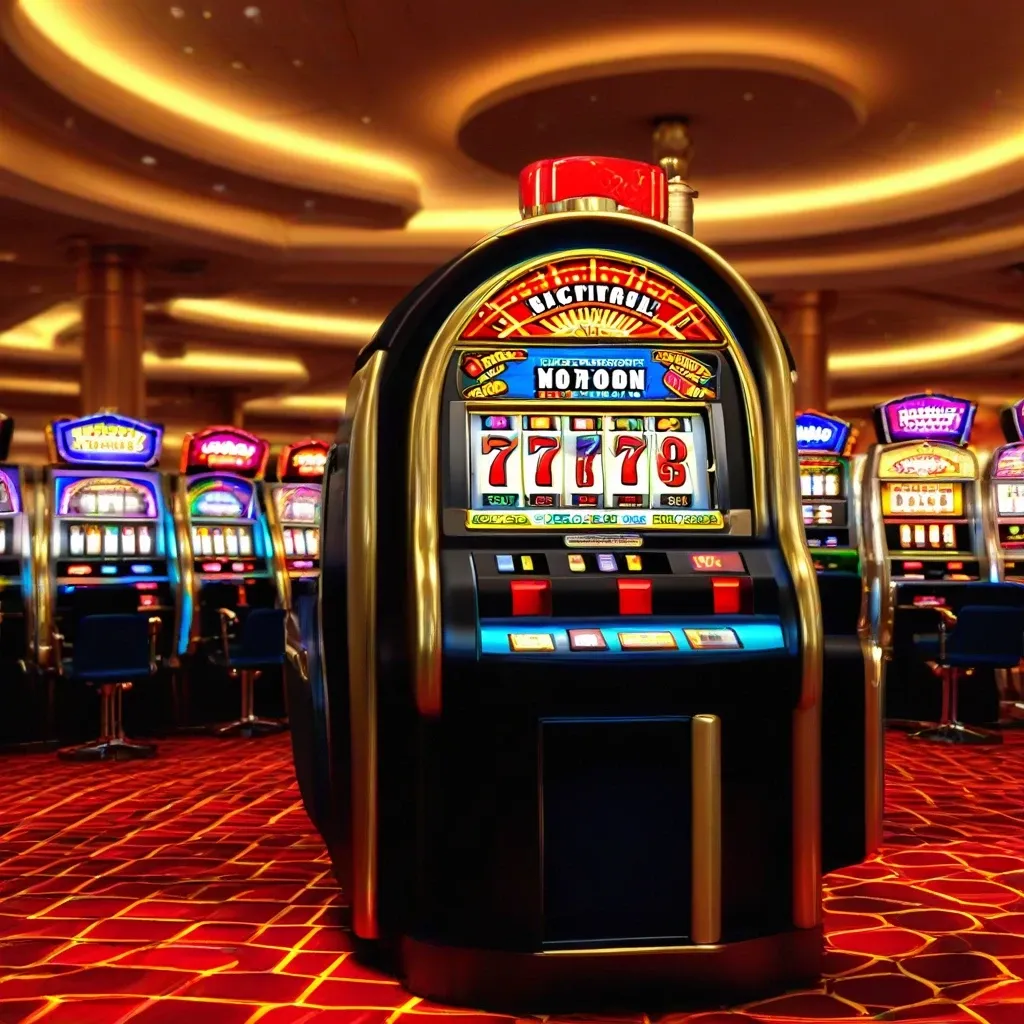
The use of sound in casino game design presents a complex ethical challenge. While casinos aim to provide entertainment, the strategic implementation of sound can subtly influence player behavior, blurring the line between harmless fun and potential manipulation. Gambling aims to be ethical, but the use of these strategies raises concerning questions about where that line should be drawn.
One critical aspect of gambling ethics is the concept of informed consent. Players should be aware that game design, including sound, is intended to encourage increased betting and longer playtime. When players are unaware of these persuasive tactics, their decisions may not be fully autonomous. Responsible gambling initiatives emphasize transparency and player education to counter this issue.
The debate centers around whether using sound is inherently predatory design. Is it ethical to leverage psychological principles to boost revenue, potentially at the expense of vulnerable individuals? Industry standards and regulations are still evolving in this area, but greater scrutiny is being applied to manipulative techniques. This is the beginning of the path for casinos to act as more honest entertainment venues for gambling. It will take time for regulation to catch up to this brave new world that we are entering now. Many issues have to be resolved that the current regulations are not equipped to tackle.
Strategies for Responsible Gaming: Recognizing and Resisting Sonic Influence
The sounds of a casino or online gambling platform are carefully designed to keep players engaged, often without them even realizing it. To protect yourself from this sonic manipulation and promote responsible gaming, it’s crucial to develop a proactive approach. Knowledge is the first line of defense.
One of the main responsible gambling strategies is sound awareness. Simply pay attention to the specific types of sounds incorporated into slot machines and other games. Are they high-pitched and exciting, designed to create a sense of urgency? Or are they repetitive and soothing, intended to lull you into a trance-like state? Noticing these sonic tactics is the first step in neutralizing their impact.
It’s also very useful to cultivate mindful gambling. Be aware of how these sounds affect your emotions and cognitive state. Does the “clink” of coins or digital alerts create a false sense of accomplishment, even when you’re losing overall? This heightened self-awareness allows you to make more rational decisions.
Establish clear time and money limits before you start playing, and stick to them regardless of your wins or losses. Regular breaks are also important. Step away from the games, stretch, and clear your head. During these breaks, evaluate your emotional state and recent gambling choices.
A simple yet effective strategy is to adjust the volume. Consider playing with the sound turned off completely, or at least turned down to a minimal level. This can significantly reduce the sonic stimulation and allow you to focus on the actual gameplay and your betting decisions. Developing cognitive control over your responses to gambling stimuli leads to improved emotional regulation and a better gambling experience.
Conclusion
The world of gambling is a carefully constructed sensory experience, and sound plays a pivotal role in shaping our perceptions and behaviors within it. From the celebratory jingles of a winning slot machine to the immersive soundscapes of a casino floor, sonic manipulation is a powerful tool used to heighten excitement and encourage continued play.
Understanding the psychological impact of sound effects is crucial for anyone who engages in gambling activities. By being aware of how these sounds can influence emotions and decision-making, individuals can make more informed choices and maintain control over their gaming experience. Remember, the allure of the casino isn’t just about luck; it’s about a strategically designed atmosphere.
Responsible gaming is paramount. If you or someone you know is struggling with problem gambling, please seek help. Resources are available to provide support and guidance. Understanding sonic manipulation can be a step toward a more mindful and controlled gambling experience, but personal responsibility remains the most important factor. Choose wisely, play responsibly, and remember that the true value of any game lies in the enjoyment, not the risk.